Pack, eat, and pay with fewer surprises
Country-by-country static guides for the practical details that often get checked too late: luggage, food, cash, cards, transit, and local trip friction.
Four practical angles per country
Each guide is written for static SEO and real pre-trip decisions, not live booking or generated advice.
Country packing lists
What to put in the bag for walking, weather, plugs, transit, temples, churches, markets, and long transfer days.
Browse topicFoods worth planning around
A practical food shortlist for each country, focused on meals that improve the route instead of adding pressure.
Browse topicPayment methods and cash backup
Country-by-country notes on cash, cards, transport cards, ATMs, contactless payments, and common payment traps.
Browse topicTransit and day-shape notes
Small logistics choices that keep a trip from becoming a station, taxi, or ticket-machine problem.
Browse topicStart with the country
Use these pages before booking hotels, passes, food reservations, or a route that depends on one payment method.

Japan
A first-timer Japan checklist for what to pack, what to eat, and how to handle cash, cards, IC cards, and train days.

Italy
A practical Italy checklist for cobblestones, church visits, regional food, euros, cards, and train-based first trips.
Portugal
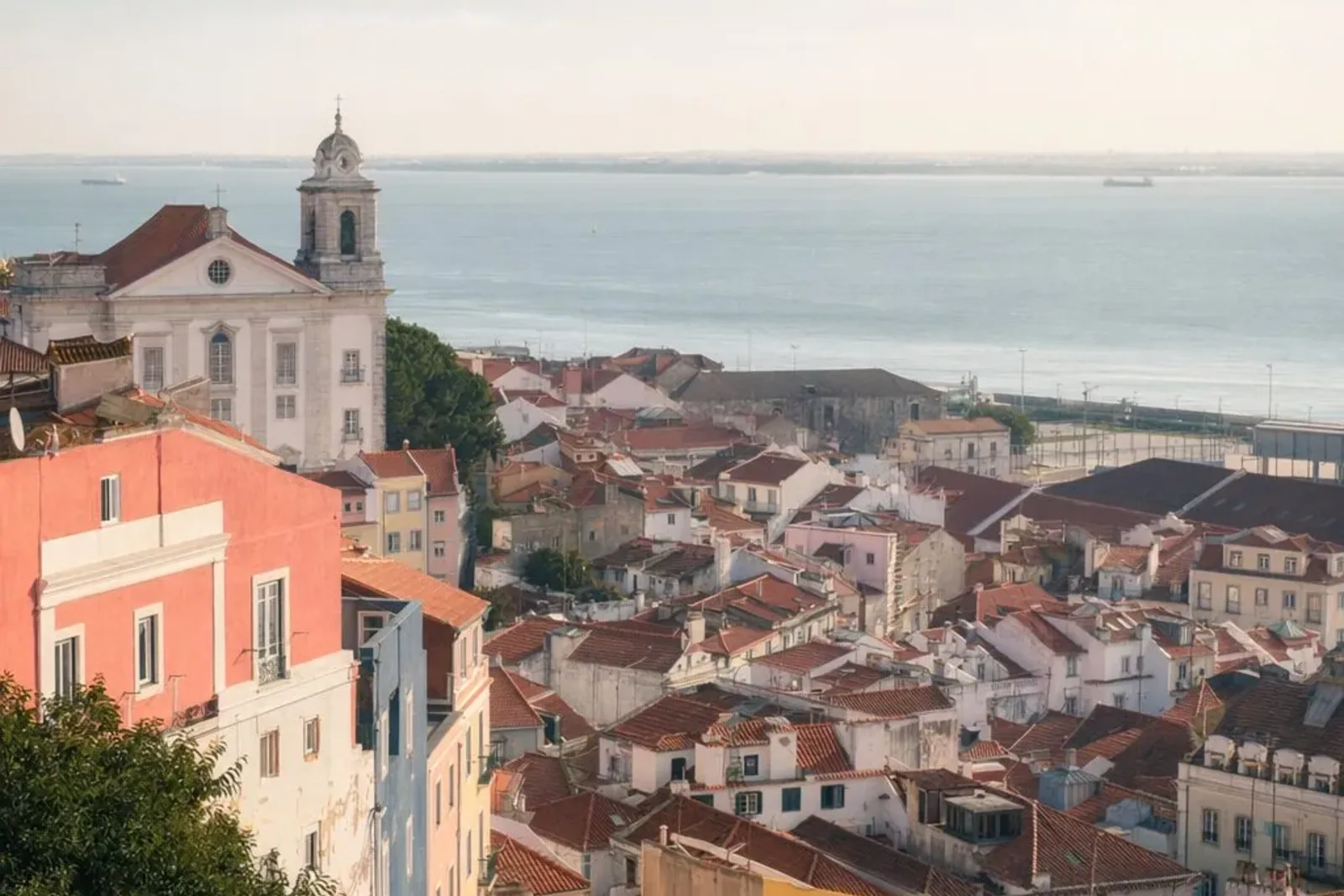
A Portugal first-trip checklist for Lisbon hills, Porto weather, classic foods, euros, cards, and low-friction transit.
Spain
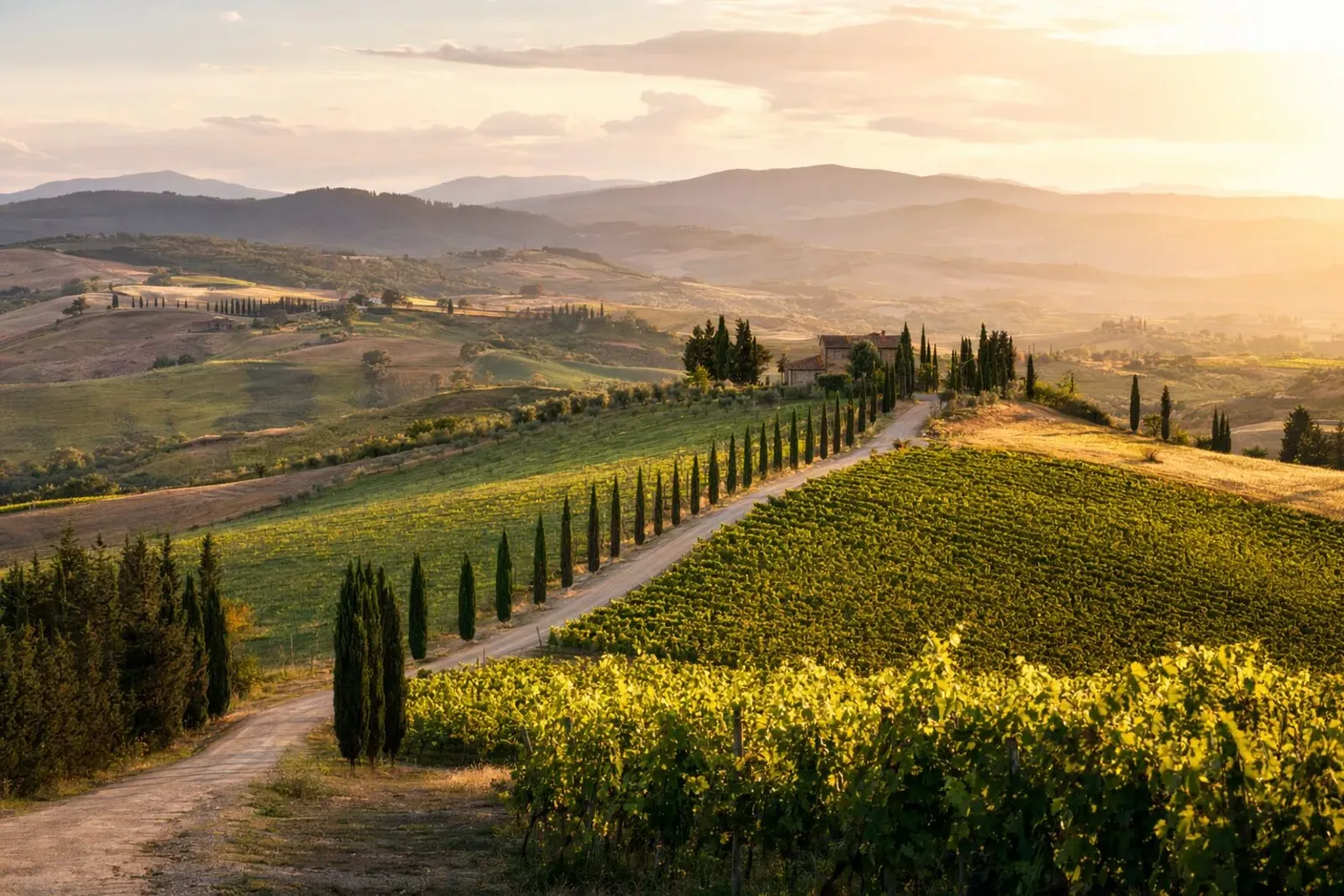
A Spain planning checklist for heat, late meals, regional food, euros, cards, and focused city routes.
Mexico
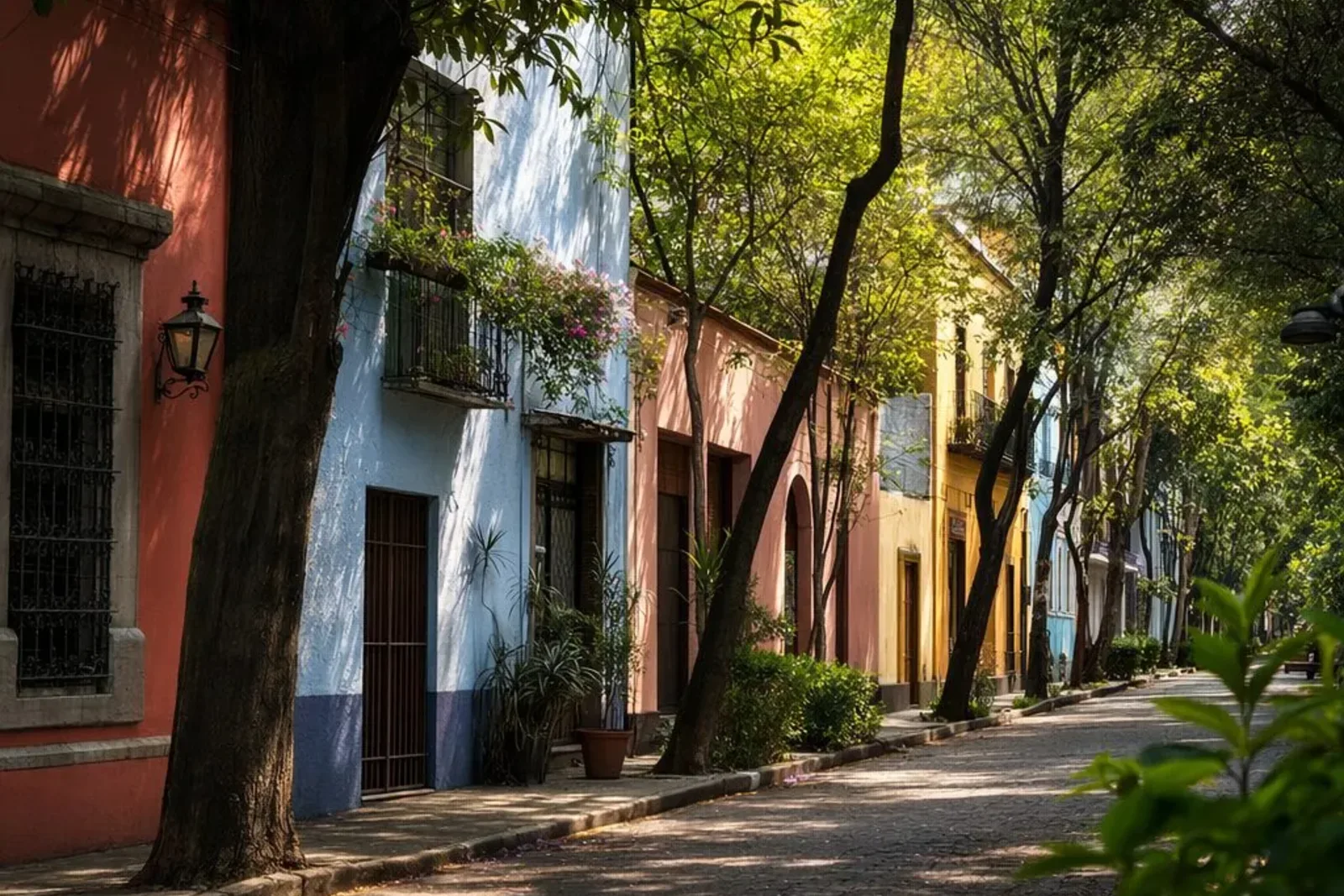
A Mexico travel checklist for cash, cards, city altitude, street food, museums, weather, and practical first-trip choices.

France
A France checklist for Paris and regional trips, covering what to pack, what to eat, euros, cards, markets, and daily rhythm.

Thailand
A Thailand checklist for temple clothing, heat, rain, street food, baht cash, cards, ATMs, and island or city pacing.
South Korea
A South Korea checklist for Seoul, Busan, transit cards, cards, cash backup, winter layers, markets, and food-first days.
The items that change by country
A short preview of the country-specific packing logic. Open a guide for the full checklist.
Carry-on essentials
- Comfortable walking shoes that are easy to remove indoors.
- Clean socks, because some restaurants, temples, and stays may ask guests to remove shoes.
- A small coin pouch or wallet pocket for yen coins.
City essentials
- Broken-in walking shoes for cobblestones, stairs, and long museum days.
- A light scarf or shoulder cover for churches and religious sites.
- A small crossbody or front-carry day bag for busy stations and crowds.
Route essentials
- Walking shoes with grip for Lisbon hills, stairs, and tile sidewalks.
- A light wind layer for viewpoints, riverfronts, and coastal day trips.
- Sun protection and a refillable bottle in warmer months.
City essentials
- Breathable walking clothes and sun protection for warm months.
- Comfortable shoes for plazas, old streets, and late evening walking.
- A light layer for trains, museums, and northern Spain evenings.
City and food-trip essentials
- Comfortable shoes for museum days, neighborhoods, and uneven sidewalks.
- Light layers for Mexico City mornings, evenings, and altitude shifts.
- A small cash wallet for markets, street food, tips, and local transport.
Paris and city essentials
- Comfortable but polished walking shoes for long city days.
- A compact umbrella or rain layer, especially outside summer.
- A small market tote for bakeries, picnics, and neighborhood shopping.
Heat and temple essentials
- Breathable clothes that can cover shoulders and knees for temple visits.
- Comfortable sandals or shoes that are easy to remove.
- Mosquito repellent, sunscreen, and a compact rain shell.
City essentials
- Comfortable walking shoes for subway stairs, hills, markets, and palace days.
- Transit card plan plus a small cash backup for top-ups and markets.
- Portable battery, offline addresses, and translation app setup.
Foods worth planning around
Use these as route anchors, not a mandatory checklist that makes every day heavier.
Cash, cards, transit cards, and backup methods
Payment acceptance changes by merchant, city, and route. These notes give the first backup plan to verify before departure.
Payment plan
Yen cash
Keep cash for small restaurants, local shops, temples, older machines, and rural stops.
International credit/debit cards
Often useful in hotels, department stores, larger restaurants, and many city shops.
Transit IC cards
Suica, PASMO, ICOCA, and similar cards can simplify trains, buses, lockers, vending machines, and convenience stores.
Mobile wallets
Useful where contactless or mobile IC support works, but setup and card compatibility should be checked before departure.
Payment plan
Euros in cash
Keep small cash for markets, older cafes, local buses, tips, and occasional card outages.
Visa and Mastercard
Widely useful in hotels, restaurants, stores, museums, and train booking.
Contactless wallets
Often useful where contactless terminals are available, but always keep a physical card.
Bancomat and local terminals
Some local payment setups may behave differently from international cards; carry a backup card.
Payment plan
Euros in cash
Useful for small cafes, markets, tips, and places with low card minimums or terminal issues.
International cards
Generally useful in hotels, restaurants, museums, larger stores, and transport booking.
Contactless payments
Often convenient in cities, but a physical backup card is still sensible.
Multibanco ATMs
Use bank-linked ATMs when possible and check fees before confirming a withdrawal.
Payment plan
Euros in cash
Keep small cash for markets, older bars, local buses, tips, and backup.
Visa and Mastercard
Useful across hotels, restaurants, museums, stores, and transport booking.
Contactless cards and wallets
Often convenient in cities, but carry a physical card for fallback.
Ticket machines
Some transport or parking machines can be picky; cash and a second card reduce friction.
Payment plan
Mexican pesos in cash
Essential for markets, street food, tips, small shops, local transport, and many taxis.
International cards
Useful in hotels, larger restaurants, supermarkets, museums, and established shops.
Contactless wallets
Convenient where terminals support them, but should not replace cash.
ATMs
Prefer bank ATMs, check fees, and decline poor exchange-rate offers when appropriate.
Payment plan
Euros in cash
Small cash helps for markets, some bakeries, tips, toilets, and backup.
Cards
Visa and Mastercard are broadly useful in hotels, restaurants, shops, museums, and transport.
Contactless
Often convenient in cities, but carry a physical card and some cash.
Ticket machines
A second card can help when transport or parking machines reject one payment method.
Payment plan
Thai baht cash
Important for street food, markets, taxis, small shops, temples, and island stops.
International cards
Useful in hotels, malls, larger restaurants, and many organized tour or transport bookings.
ATMs
Common, but fees can be meaningful; check withdrawal charges before confirming.
QR payments
Local QR systems can be common, but foreign traveler access varies, so do not rely on QR-only payment.
Payment plan
Credit and debit cards
Cards are widely useful in cities, shops, restaurants, hotels, and cafes.
T-money or Cashbee
Transit stored-value cards simplify subways, buses, taxis, and convenience-store purchases.
Korean won cash
Keep some cash for transit card top-ups, markets, small stalls, and backup.
Tourist prepaid cards
Products such as tourist prepaid or transport-payment cards can help, but compare fees and current rules before relying on one.
Small logistics that change the day
Use these notes with route templates and checklists before hotels or nonrefundable tickets lock the trip.
- Price exact long-distance train days before buying any rail pass.
- Use luggage forwarding or smaller bags when moving between Tokyo, Kyoto, Osaka, and side trips.
- Use trains between major cities and avoid rental cars inside Rome, Florence, Milan, Naples, and Venice.
- Leave margin around timed museum tickets after train days.
- Lisbon and Porto pair cleanly by train for many first trips.
- Ride-share or taxis can help with steep luggage moves, but should not define the daily plan.
- Spain rewards focused regions; do not combine every famous city in one short trip.
- High-speed trains can be excellent, but station transfers and late meals affect the day shape.
- Mexico City is easier when days are clustered by neighborhood instead of crossing town repeatedly.
- Altitude, traffic, and museum scale all affect the real pace.
- Paris works better when neighborhoods are clustered instead of crossing the city for every meal.
- Book major train routes early when the schedule matters, but keep daily plans flexible.
- Bangkok plans should cluster by area because traffic can erase optimistic schedules.
- Domestic flights, ferries, and transfers need weather and buffer time.
- Seoul is easier when days are clustered by subway line and neighborhood.
- Transit cards remove a lot of friction, but top-up rules can require cash depending on where and how you load them.